Diwali
தீபாவளி
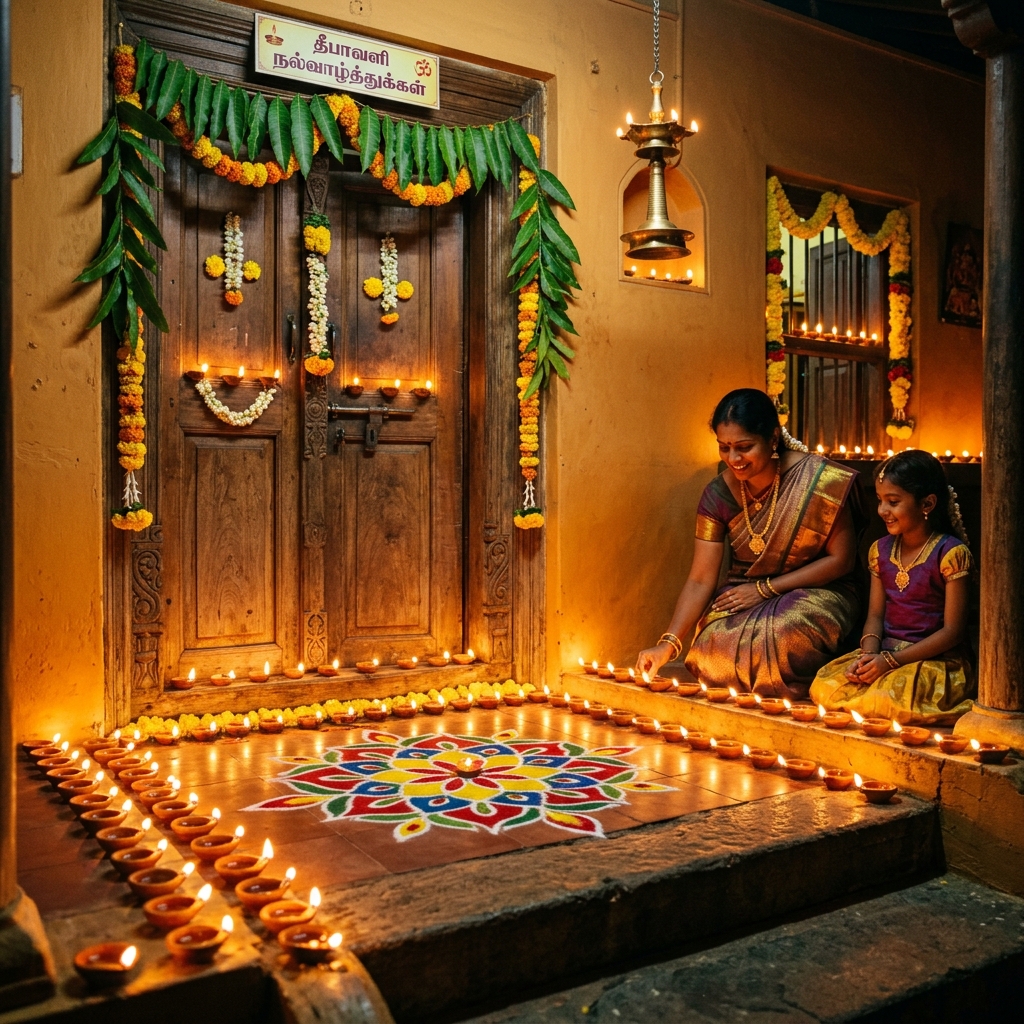
Diwali is the festival of lights celebrated across India. In Tamil Nadu, traditions such as the early morning oil bath, lighting lamps, family gatherings, and making sweets are central.
Primary date & Panchangam
Times and tithi lines follow the site Panchangam engine for that civil day when data exists.
Spiritual Festival Sequence
Tamil Nadu Spiritual Experience
What is Diwali?
Diwali is universally known as the festival of lights, a magnificent celebration that symbolizes the profound spiritual victory of light over darkness, knowledge over ignorance, and good over evil. The word 'Diwali' or 'Deepavali' translates to a 'row of lights', which is why illuminating homes with traditional earthen lamps is a core aspect of the festival. It is a time when families and communities come together to dispel the gloom of the past year and welcome a radiant future filled with hope, prosperity, and joy.
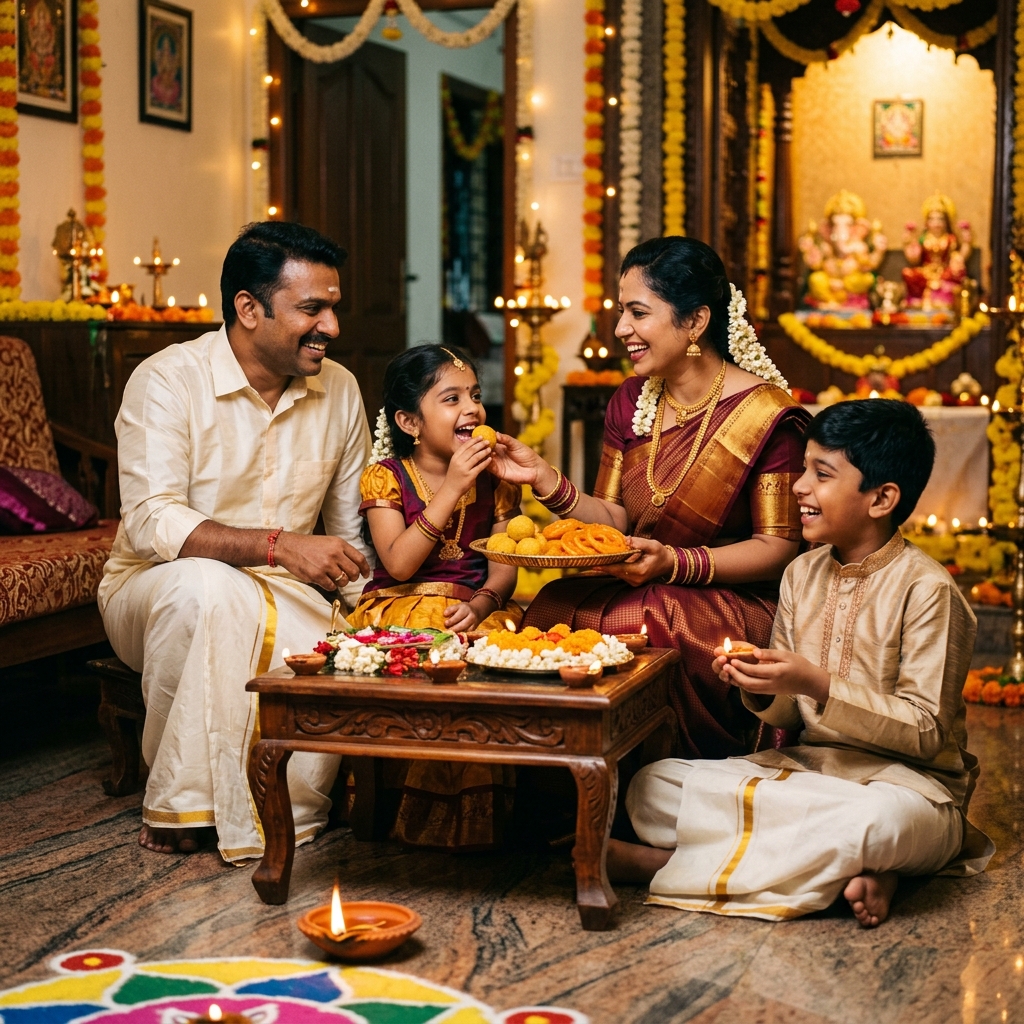
In Tamil Nadu, Diwali is a deeply family-centered and culturally rich celebration. The day is marked by traditional early morning rituals, wearing brand new clothes, exchanging heartfelt greetings, and sharing an array of homemade sweets and savories. Beyond the external festivities, it serves as an annual spiritual renewal—a time to purify the mind, foster positive thoughts, and cultivate harmonious relationships with neighbors and relatives, making it a festival that truly enlightens the soul.
Why is it Celebrated?
While there are numerous regional legends associated with Diwali across India, such as Lord Rama's victorious return to Ayodhya after a 14-year exile, the Tamil tradition prominently associates the festival with the defeat of the powerful demon Narakasura by Lord Krishna and Goddess Satyabhama. This epic battle is a metaphor for the triumph of dharma (righteousness) over adharma (wickedness), serving as a powerful reminder that truth and goodness will ultimately prevail.
According to the legend, before taking his last breath, Narakasura requested that his death be celebrated as a day of joy and light for humanity, rather than a day of mourning. This is why the festival is celebrated with immense fervor. Furthermore, Diwali is considered an auspicious time to invoke the blessings of Goddess Lakshmi, the deity of wealth and prosperity. Cleaning the home and lighting lamps are spiritual acts meant to attract positive cosmic energy, ensuring peace, health, and abundance for the household in the year ahead.
Tamil Nadu Traditions
The Diwali traditions in Tamil Nadu are deeply rooted in ancient customs and start well before dawn. The day traditionally begins with 'Ganga Snanam', a sacred sesame oil bath in warm water. It is firmly believed that on this specific day, the holy River Ganges resides in the warm water, and Goddess Lakshmi resides in the sesame oil. This ritual is not just for physical cleansing but is considered a spiritual purification that cools the body and refreshes the mind.
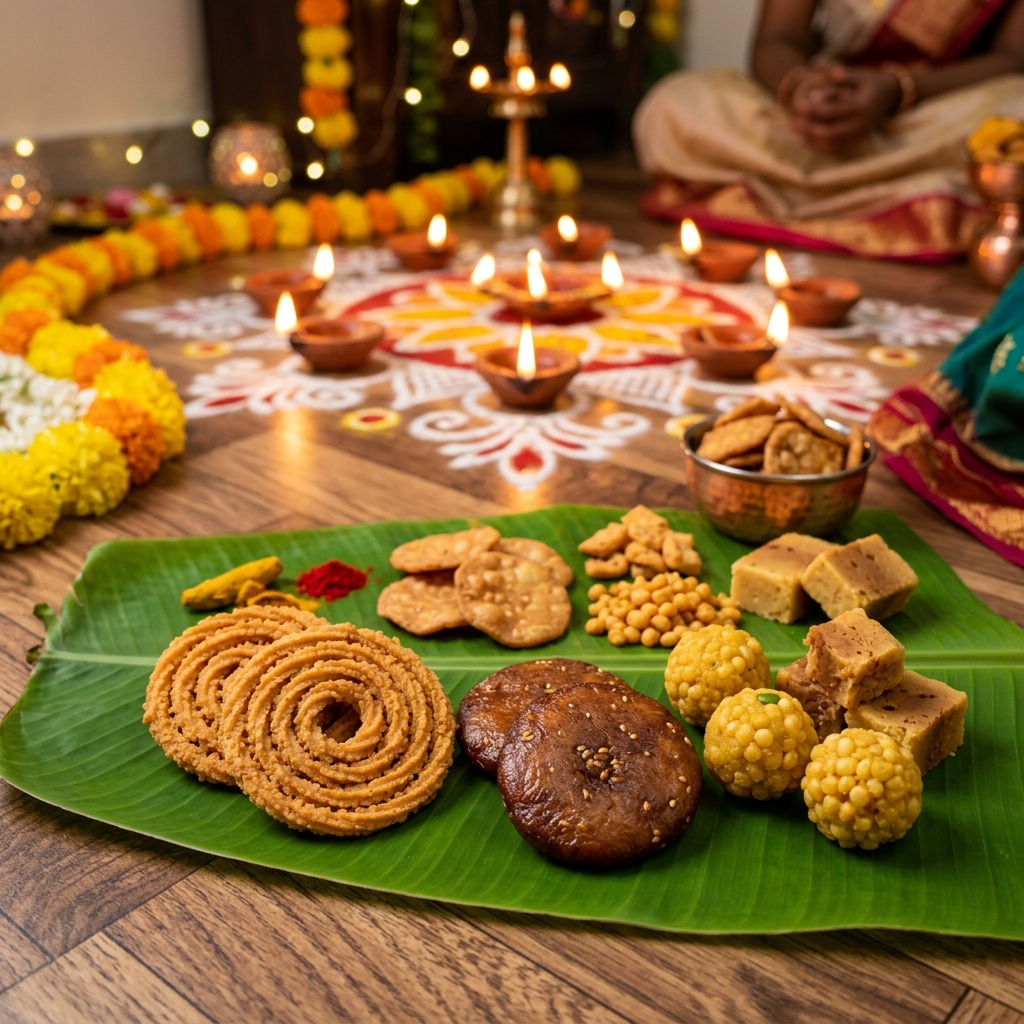
Following the bath, family members dress in their vibrant new attire, often bought weeks in advance, and gather in the prayer room. They offer prayers to their ancestors and deities, seeking blessings for a prosperous life. A significant part of the celebration involves the preparation and offering of traditional delicacies like 'adhirasam', 'murukku', and various other sweets. Sharing these savories with friends, neighbors, and extended family members is a beautiful custom that strengthens social bonds and fosters a sense of community unity and shared happiness.
Festival Gallery