Daily Panchangam and Spiritual Insights
Language: தமிழ் | English
Masik Shivaratri

Masik Shivaratri

மாத சிவராத்திரி

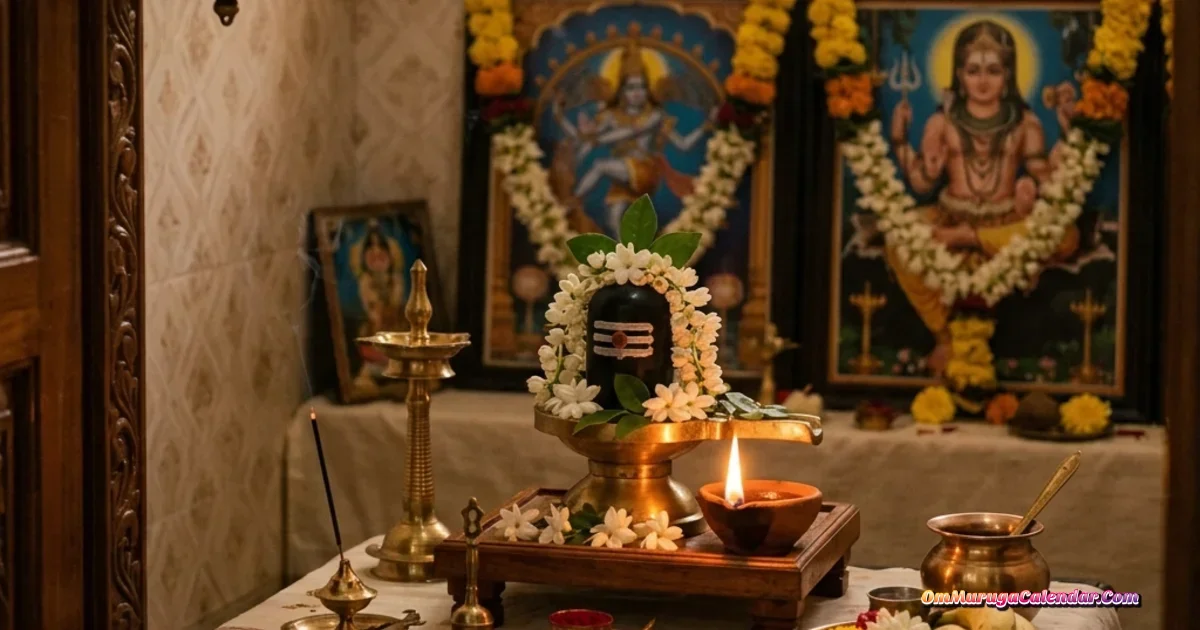
Masik Shivaratri is a powerful monthly observance falling on the 14th night of the waning moon, dedicated entirely to Lord Shiva through fasting and meditation.

Masik Shivaratri: 29 Jul 2000, 03.09 PM to 30 Jul 2000, 11.33 AM
9451 days ago 30-07-2000

Observance Dates & Timeline

Previous Masik Shivaratri from today
1 days ago
13 Jun 2026 View day
Next Masik Shivaratri from today
27 days to go
12 Jul 2026 View day

2000 Occurrences

Wed, 05 Jan 2000
Wednesday
2000
Pramadi Margazhi 20
Masik Shivaratri Starts: 4 Jan 2000, 06.31 PM | Ends: 5 Jan 2000, 09.10 PM
Krishna Paksha Chaturdashi up to 09:10 PM IST Mula - Pada 1 up to 06:27 AM IST (next day)
06:35
18:09
Fri, 04 Feb 2000
Friday
2000
Pramadi Thai 21
Masik Shivaratri Starts: 3 Feb 2000, 02.44 PM | Ends: 4 Feb 2000, 04.51 PM
Krishna Paksha Chaturdashi up to 04:51 PM IST Uttara Ashadha - Pada 3 up to 06:39 PM IST
06:39
18:23
Sun, 05 Mar 2000
Sunday
2000
Pramadi Masi 22
Masik Shivaratri Starts: 4 Mar 2000, 09.41 AM | Ends: 5 Mar 2000, 10.32 AM
Krishna Paksha Chaturdashi up to 10:32 AM IST Shatabhisha - Pada 1 up to 06:55 AM IST (next day)
06:29
18:28
Mon, 03 Apr 2000
Monday
2000
Pramadi Panguni 21
Masik Shivaratri Starts: 3 Apr 2000, 01.45 AM | Ends: 4 Apr 2000, 01.01 AM
Krishna Paksha Chaturdashi up to 01:01 AM IST (next day) Purva Bhadrapada - Pada 3 up to 03:50 PM IST
06:13
18:27
Wed, 03 May 2000
Wednesday
2000
Vikrama Chithirai 20
Masik Shivaratri Starts: 2 May 2000, 02.26 PM | Ends: 3 May 2000, 12.18 PM
Krishna Paksha Chaturdashi up to 12:18 PM IST Ashwini - Pada 2 up to 10:25 PM IST
05:59
18:29
Thu, 01 Jun 2000
Thursday
2000
Vikrama Vaikasi 18
Masik Shivaratri Starts: 1 Jun 2000, 12.15 AM | Ends: 1 Jun 2000, 09.09 PM
Krishna Paksha Chaturdashi up to 09:09 PM IST Bharani - Pada 4 up to 06:41 AM IST
05:55
18:35
Sun, 30 Jul 2000
Sunday
2000
Vikrama Aadi 15
Masik Shivaratri Starts: 29 Jul 2000, 03.09 PM | Ends: 30 Jul 2000, 11.33 AM
Krishna Paksha Chaturdashi up to 11:33 AM IST Punarvasu - Pada 3 up to 02:26 PM IST
06:07
18:40
Mon, 28 Aug 2000
Monday
2000
Vikrama Avani 12
Masik Shivaratri Starts: 27 Aug 2000, 10.07 PM | Ends: 28 Aug 2000, 06.54 PM
Krishna Paksha Chaturdashi up to 06:54 PM IST Ashlesha - Pada 2 up to 07:26 PM IST
06:08
18:28
Tue, 26 Sep 2000
Tuesday
2000
Vikrama Purattasi 10
Masik Shivaratri Starts: 26 Sep 2000, 12.00 AM | Ends: 27 Sep 2000, 03.30 AM
Krishna Paksha Chaturdashi up to 03:30 AM IST (next day) Purva Phalguni - Pada 1 up to 12:51 AM IST (next day)
06:06
18:11
Thu, 26 Oct 2000
Thursday
2000
Vikrama Aippasi 10
Masik Shivaratri Starts: 25 Oct 2000, 03.26 PM | Ends: 26 Oct 2000, 02.14 PM
Krishna Paksha Chaturdashi up to 02:14 PM IST Hasta - Pada 4 up to 07:05 AM IST
06:06
17:55
Fri, 24 Nov 2000
Friday
2000
Vikrama Karthigai 9
Masik Shivaratri Starts: 24 Nov 2000, 03.37 AM | Ends: 25 Nov 2000, 03.55 AM
Krishna Paksha Chaturdashi up to 03:55 AM IST (next day) Swati - Pada 3 up to 02:38 PM IST
06:15
17:52
Sun, 24 Dec 2000
Sunday
2000
Vikrama Margazhi 9
Masik Shivaratri Starts: 23 Dec 2000, 07.02 PM | Ends: 24 Dec 2000, 08.45 PM
Krishna Paksha Chaturdashi up to 08:45 PM IST Jyeshtha - Pada 2 up to 02:11 AM IST (next day)
06:30
18:03

Times and tithi lines follow the site Panchangam engine for that civil day when data exists.

Spiritual Festival Sequence

Tamil Nadu Spiritual Experience

What is Masik Shivaratri?

While the grand 'Maha Shivaratri' is celebrated once a year with unmatched fervor, the deeply spiritual observance of Shivaratri actually occurs every single month. This monthly occurrence is known as 'Masik Shivaratri' (Monthly Night of Shiva).

According to the traditional Hindu lunar calendar, it strictly falls on the Chaturdashi tithi—the fourteenth day of the dark fortnight or the waning phase of the moon (Krishna Paksha). This specific profoundly dark night is considered highly potent and is exclusively dedicated to the deep meditation and supreme worship of Lord Shiva, the cosmic destroyer of ignorance and illusions.

Fasting and Worship Rituals

Devotees who strictly observe the Masik Shivaratri vow (Vrat) begin their day with a purifying bath and a firm resolution (Sankalpa) to dedicate the day to Shiva. The fasting protocol typically involves complete abstinence from all solid foods, sustaining only on water, milk, or fruits throughout the day.

The absolute core of the worship takes place during the late evening or at the mystical midnight hour (Nishita Kala). Devotees visit Shiva temples to witness the sacred 'Abhishekam' (ritual bathing) of the Shivalinga using milk, honey, ghee, and sandalwood. Offering the trifoliate 'Bilva' (Bael) leaves is considered an indispensable part of the pooja, as it is believed to instantly cool the Lord and wash away past karmic debts.

Spiritual and Psychological Benefits

Consistently observing Masik Shivaratri every month is believed to be incredibly powerful. It systematically eradicates deep-seated fears, chronic anxieties, and severe psychological distress, completely liberating the soul from worldly attachments.

From a practical perspective, undertaking this monthly discipline of rigorous fasting and staying spiritually awake dramatically enhances a person's self-control, mental fortitude, and deep inner peace. Continuous chanting of the 'Om Namah Shivaya' mantra during this night radically purifies the mind, aligning the devotee's energy directly with the supreme, tranquil consciousness of Lord Shiva.

Internal Navigation

Related Festivals

Frequently Asked Questions

Maha Shivaratri is the massive annual festival occurring in the month of Maasi (Feb/Mar). Masik Shivaratri is the monthly observance falling on the 14th day of the waning moon in all other months.

Night symbolically represents spiritual darkness and ignorance. Worshipping Shiva, the light of supreme consciousness, during the darkest night signifies the total destruction of human ignorance and ego.

If you cannot visit a temple, you can light a lamp before a Shivalinga or a picture of Lord Shiva at home, offer fresh Bilva leaves, and spend the night meditating and chanting 'Om Namah Shivaya'.

Yes. Anyone seeking inner peace, spiritual growth, and freedom from negative karmas can observe this fast, modifying the strictness based on their personal health conditions.