Daily Panchangam and Spiritual Insights
Language: தமிழ் | English
Valarpirai Chaturthi

Valarpirai Chaturthi

வளர்பிறை சதுர்த்தி

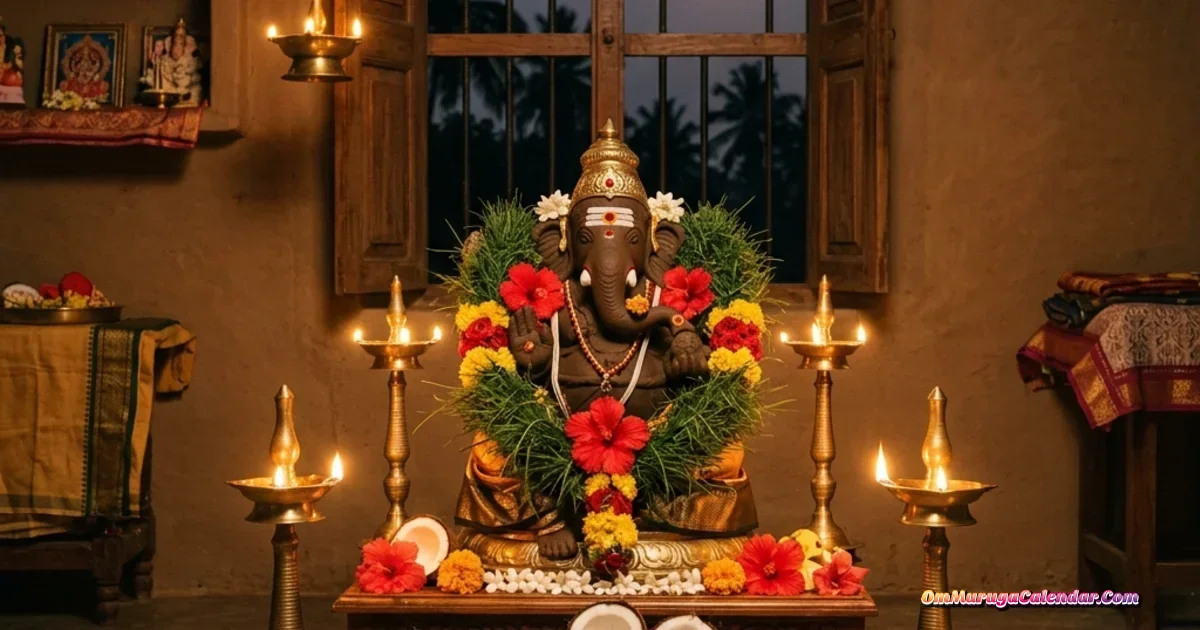
Valarpirai Chaturthi is the monthly Shukla Paksha (waxing moon) Chaturthi dedicated to Lord Ganesha—ideal for worship, new beginnings, and family devotion, with dates aligned to Panchangam.

Valarpirai Chaturthi: 28 Jan 2039, 12.00 AM to 28 Jan 2039, 11.59 PM
In 4614 days 28-01-2039

Observance Dates & Timeline

Previous Valarpirai Chaturthi from today
21 days ago
20 May 2026 View day
Next Valarpirai Chaturthi from today
7 days to go
18 Jun 2026 View day

2039 Occurrences

Fri, 28 Jan 2039
Friday
2039
Kalayukti Thai 14
Valarpirai Chaturthi Starts: 28 Jan 2039, 12.00 AM | Ends: 28 Jan 2039, 11.59 PM
Shukla Paksha Chaturthi Purva Bhadrapada - Pada 3
Sun, 27 Feb 2039
Sunday
2039
Kalayukti Masi 14
Shukla Paksha Chaturthi Revati - Pada 4
Mon, 28 Mar 2039
Monday
2039
Kalayukti Panguni 14
Shukla Paksha Chaturthi Bharani - Pada 2
Wed, 27 Apr 2039
Wednesday
2039
Siddharthi Chithirai 13
Shukla Paksha Chaturthi Rohini - Pada 4
Fri, 27 May 2039
Friday
2039
Siddharthi Vaikasi 12
Shukla Paksha Chaturthi Punarvasu - Pada 2
Sat, 25 Jun 2039
Saturday
2039
Siddharthi Aani 10
Shukla Paksha Chaturthi Pushya - Pada 4
Mon, 25 Jul 2039
Monday
2039
Siddharthi Aadi 9
Shukla Paksha Chaturthi Purva Phalguni - Pada 3
Fri, 21 Oct 2039
Friday
2039
Siddharthi Aippasi 4
Shukla Paksha Chaturthi Jyeshtha - Pada 1
Sat, 19 Nov 2039
Saturday
2039
Siddharthi Karthigai 3
Shukla Paksha Chaturthi Mula - Pada 4
Mon, 19 Dec 2039
Monday
2039
Siddharthi Margazhi 3
Shukla Paksha Chaturthi Shravana - Pada 3

Times and tithi lines follow the site Panchangam engine for that civil day when data exists.

Spiritual Festival Sequence

Tamil Nadu Spiritual Experience

What is Valarpirai Chaturthi?

After each Amavasai (new moon), the moon begins to wax—this fortnight is Shukla Paksha, known in Tamil as Valarpirai. The fourth lunar day in this phase is Chaturthi, celebrated as Valarpirai Chaturthi.

Lord Ganesha (Vinayagar, Pillaiyar) is especially honoured on Chaturthi. Devotees perform pooja at home and temples, offer Kozhukattai (Modak), garland the idol with Arukampul (Bermuda grass), and seek blessings for auspicious starts in education, work, and family life.

Waxing vs waning Chaturthi

Every lunar month has two Chaturthi tithis: one in the waxing fortnight and one in the waning fortnight. Valarpirai Chaturthi belongs to the waxing phase and is widely observed for Ganesha worship and positive beginnings.

The waning-fortnight Chaturthi is Sankatahara Chaturthi, famous for fasting and moon viewing to remove obstacles (sankata). Both are Ganesha days; the paksha and customs differ.

Worship and optional fasting

Families often perform abhishekam, lamp worship, and sweet offerings to Ganesha. Some observe a day fast and break it in the evening with a simple meal after pooja.

Temples hold special Chaturthi schedules. Om Muruga Calendar picks the observance date when Chaturthi tithi (index 3) is active at moonrise, consistent with other recurring festival pages.

Vinayagar Chaturthi month

The grand annual Vinayagar Chaturthi (Ganesh Chaturthi) in Avani/Aadi is listed on its own festival page. That year's main festival date is not duplicated here in the monthly Valarpirai list.

The remaining eleven months show Valarpirai Chaturthi dates computed from Panchangam for this page.

Internal Navigation

Related Festivals

Frequently Asked Questions

Usually eleven monthly dates on this page, because the annual Vinayagar Chaturthi day is shown separately on the Vinayagar Chaturthi festival page.

Valarpirai Chaturthi is waxing-moon Chaturthi after Amavasai. Sankatahara Chaturthi is waning-moon Chaturthi after Pournami, with emphasis on fasting and moon sighting.

Vinayagar Chaturthi is the major once-a-year festival (Avani/Aadi). Valarpirai Chaturthi is the recurring monthly waxing Chaturthi observance.

The day when Chaturthi tithi (index 3) is active at moonrise is selected; if two days qualify, the one with stronger tithi presence at moonrise is used.

Kozhukattai (Modak), Arukampul garland, red hibiscus, and Ganesha stotras are common in Tamil Nadu home and temple practice.