Vinayagar Chaturthi
விநாயகர் சதுர்த்தி
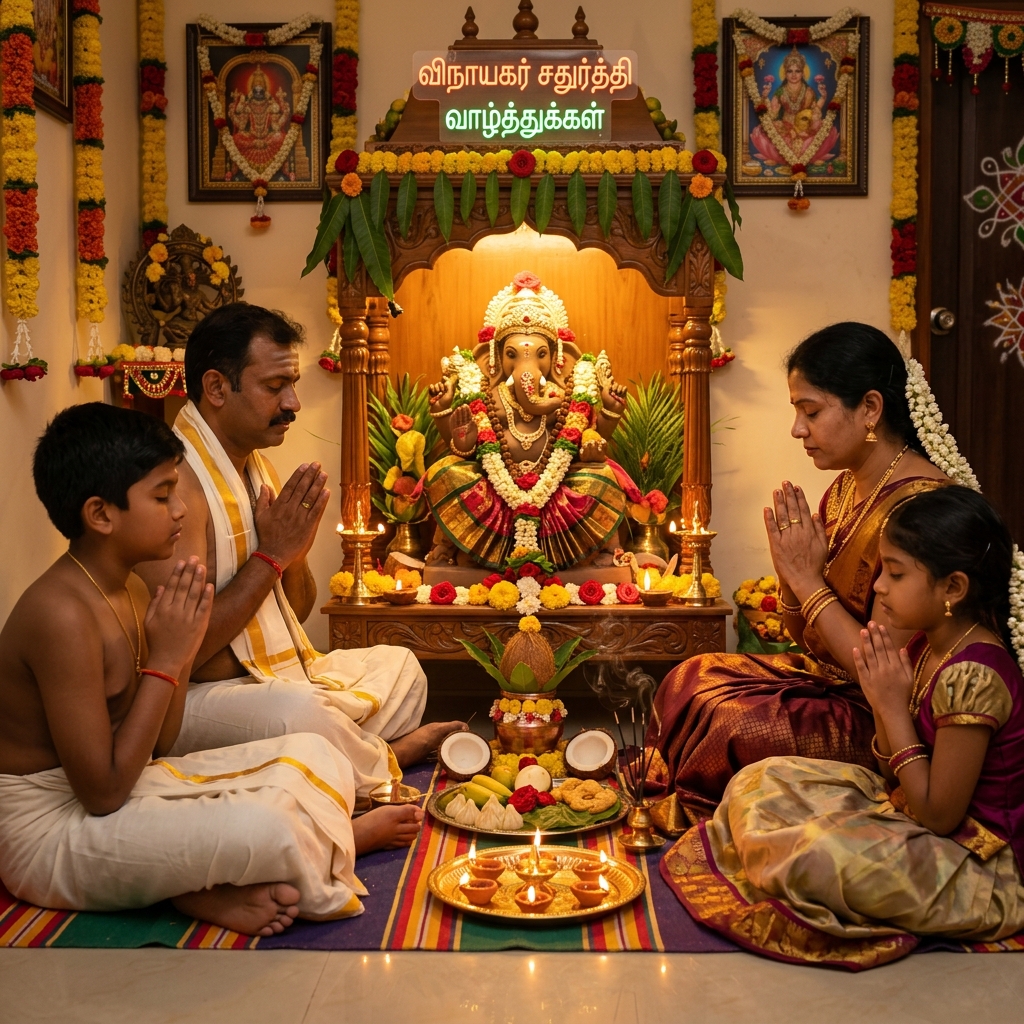
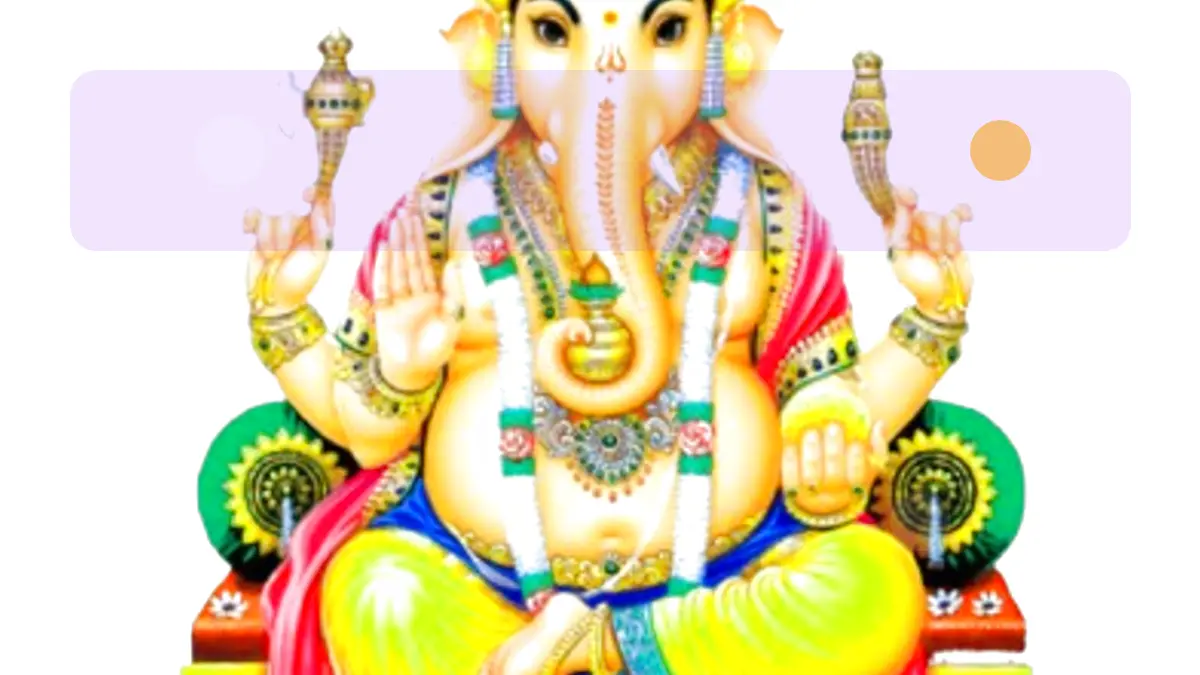
Vinayagar Chaturthi celebrates the birth of Ganesha, the remover of obstacles. In Tamil Nadu, making eco-friendly clay idols and offering kozhukattai are central to the celebration.
Om Muruga Calendar highlights family-friendly devotion, Tamil observance, and dataset-backed festival dates. Open the Daily Calendar for tithi, nakshatra, and nalla neram bands on the same Gregorian day.
Sacred timing snapshot
This year’s date has passed; see the next card for elapsed days.
days since 1911-08-27 for the selected year.
Panchangam & auspicious bands (when available)
For years outside the bundled master almanac JSON, we still show the trusted festival dataset date below. Open the daily pages for tithi, nakshatra, and full Panchangam lists.
- Primary date: 1911-08-27 (Sunday, August 27, 1911)
Tamil Nadu culture & observance
What is Vinayagar Chaturthi?
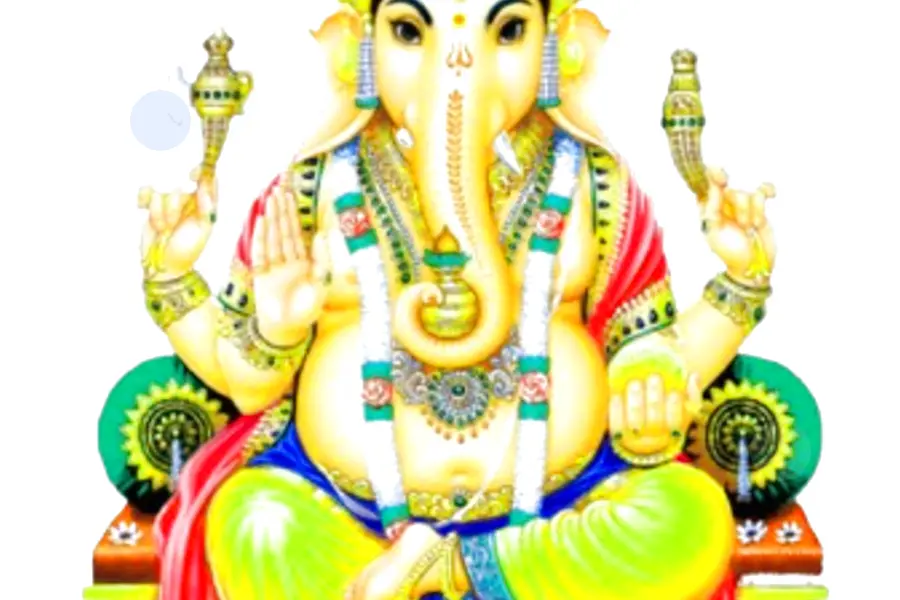
Vinayagar Chaturthi, also universally known as Ganesh Chaturthi, is a remarkably vibrant and spiritually significant Hindu festival that exuberantly celebrates the birth of Lord Ganesha. He is globally revered as the ultimate remover of physical and mental obstacles (Vighnaharta), the patron of arts and sciences, and the supreme deity of wisdom and auspicious new beginnings. His unique elephant-headed form symbolizes vast intelligence, patient listening, and the strength to overcome hurdles.
According to ancient and unbroken Hindu tradition, before starting any new venture—whether it is laying the foundation of a house, beginning academic studies, opening a new business, or embarking on a long journey—it is customary to earnestly pray to Lord Ganesha for a path completely clear of difficulties, continuous smooth progress, and profound mental clarity.
Traditions in Tamil Nadu
In the culturally rich state of Tamil Nadu, the festival is celebrated with a unique blend of grand public festivities and intimate, devotional domestic rituals. Families usually purchase a small, beautifully crafted idol made entirely of unbaked, raw river clay, affectionately called 'Kali-man Pillaiyar'. This clay idol is respectfully placed on a decorated pedestal at home and lovingly adorned with a vibrant garland composed of sacred 'arukampul' (Bermuda grass) and purple 'erukkam' flowers, both of which are highly pleasing to the Lord.
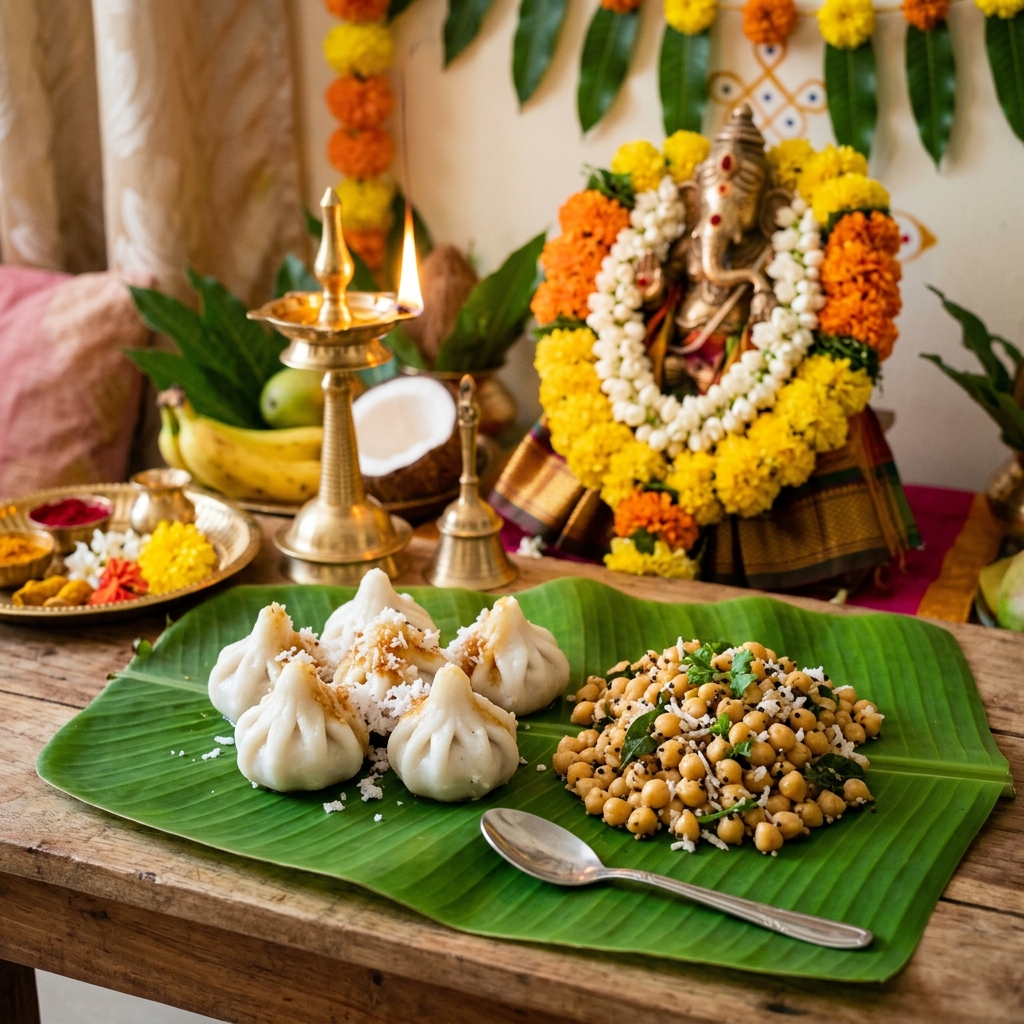
A highlight of the household celebration is the preparation of a special steamed sweet dumpling known as 'Kozhukattai' or 'Modak', which features a delicious filling of jaggery and freshly grated coconut. This is offered to Ganesha as his most favorite 'naivedyam'. After a stipulated number of days of continuous pooja, prayers, and chanting of the Ganesha Ashtakam, the clay idol is respectfully taken in a procession and immersed in a local well, river, or the sea, symbolizing the Lord's return to his celestial abode.
Eco-friendly Celebration
In recent years, there has been a powerful, conscious, and necessary cultural shift across communities towards observing a purely eco-friendly Vinayagar Chaturthi. Devotees are actively choosing idols made exclusively of natural, water-soluble clay or even innovative models embedded with plantable seeds, while completely avoiding non-biodegradable plastics, plaster of Paris, and highly toxic chemical paints that severely pollute marine ecosystems.
This deeply responsible practice aligns perfectly with the very core philosophical essence of the festival itself—honoring the raw nature from which the idol is temporarily formed and to which it eventually dissolves. It teaches the impermanence of physical forms and emphasizes that true devotion must include the care and preservation of Mother Earth.
Pooja guide — items, fasting, timing
From your Tamil almanac page content
- களிமண் பிள்ளையார்
- அருகம்புல், எருக்கம்பூ
- குங்குமம், சந்தனம்
- கொழுக்கட்டை, மோதகம்
- அவல், பொரி, பழங்கள்
- விளக்கு, கற்பூரம்
Best window (content note): சதுர்த்தி திதியில் காலை அல்லது மாலை நேரம். ராகு காலம், எமகண்டம் தவிர்ப்பது நலம்.
Fasting note: எளிய விரதம் இருக்கலாம். பூஜை முடியும் வரை திரவ உணவுகள் மட்டும் உட்கொள்வது வழக்கம்.
Mantra: ஓம் கணபதயே நம:
Steps, do / don’t, prasadam ideas
- பூஜை இடத்தை சுத்தம் செய்து, களிமண் பிள்ளையாரை மரப்பலகையில் வைக்கவும்.
- பிள்ளையாருக்கு சந்தனம், குங்குமம் இட்டு, அருகம்புல் மற்றும் பூக்களால் அலங்கரிக்கவும்.
- தீபம் ஏற்றி, கொழுக்கட்டை, சுண்டல், பழங்கள் ஆகியவற்றை நைவேத்யம் படைக்கவும்.
- விநாயகர் அகவல் அல்லது எளிய துதிகளைப் பாடி கற்பூர ஆரத்தி எடுக்கவும்.
- சுத்தமான களிமண் சிலைகளை வாங்குதல்
- குடும்பத்தோடு சேர்ந்து வழிபடுதல்
- பிரசாதத்தைப் பகிர்தல்
- ரசாயன சிலைகளை நீர்நிலைகளில் கரைப்பது
- பொது இடங்களில் ஒலி மாசை ஏற்படுத்துவது
Extend prasadam with fruits, jaggery sweets, sundal, or simple coconut-based offerings according to family taste and health needs.
English quick checklist
Light lamp, offer kozhukattai or fruit naivedyam, chant Ganesha namam softly, share prasad calmly. Use the Tamil column as the fuller reference when you need granular ritual wording.
1911 Vinayagar Chaturthi — year-specific spotlight
For 1911, align your household plan with the primary dataset date shown above. Chaturthi’s lunar anchor ties this observance to waxing-cycle discipline—use it to refresh study habits, restart community seva, or simplify home clutter before Deepavali season. When the bundled master Panchangam JSON includes your Gregorian day, you can read Rahukalam and nalla-naturam bands directly on the Daily Calendar for the same stamp—keeping festival emotion and clock-time discipline in one workflow.
More calendar & vrata links
Festival Gallery