Complete Guide to Maha Shivaratri Fasting: Methods and Divine Benefits
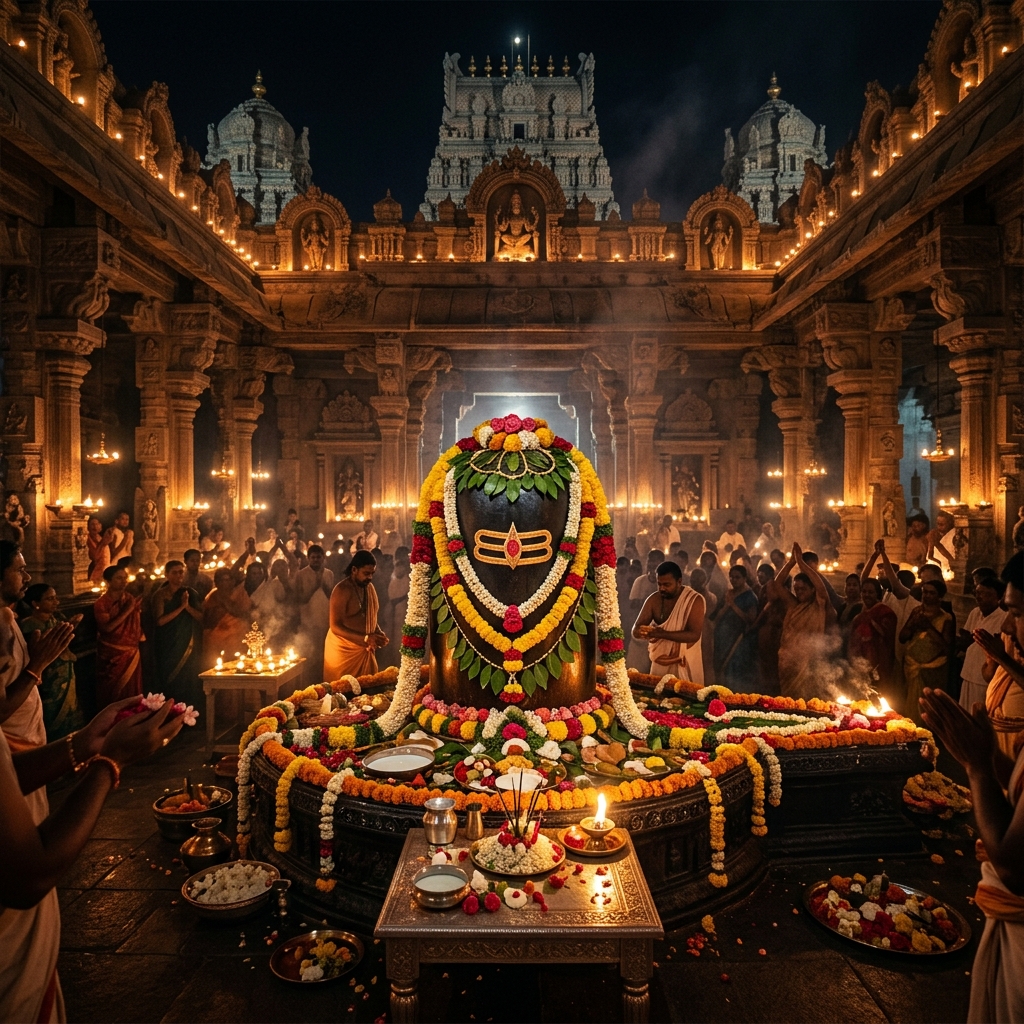
Maha Shivaratri Fasting: Attaining the Supreme Grace of Lord Shiva
In the Hindu spiritual realm, Maha Shivaratri is regarded as the most supreme and sacred fast dedicated to Lord Shiva. Observed on the 'Chaturdashi Tithi' (fourteenth lunar day) during the dark fortnight of the Tamil month of Masi, Maha Shivaratri marks the highly auspicious night when Lord Shiva appeared as a boundless pillar of light (Jyotirlinga). 'Shiva' signifies auspiciousness, and 'Ratri' translates to night or quietude—the night when all energies in the universe converge into absolute stillness. It is a profound belief that observing this fast with unwavering devotion eradicates the sins of past lives and grants 'Shivasayujyam' (ultimate liberation).
The Mythological Background and Spiritual Secrets
Several profound mythological events attribute to the origin of Maha Shivaratri. The most prominent one is the cosmic debate between Lord Brahma and Lord Vishnu regarding who was superior. As their argument escalated, Lord Shiva manifested before them as an endless, blazing pillar of fire (Arunachala). He declared that whoever finds either the top or the bottom of this cosmic pillar would be the greatest. Lord Brahma took the form of a swan to find the crown, while Lord Vishnu took the form of a boar (Varaha) to find the base. Despite their immense powers, neither could find the end. Realizing the infinite and supreme nature of Lord Shiva, they surrendered their ego. This divine manifestation as the Jyotirlinga is celebrated as Shivaratri.
Another beloved legend describes the churning of the cosmic ocean (Samudra Manthan). When the deadly 'Halahala' poison emerged, threatening to destroy the universe, Lord Shiva compassionately consumed it, holding it in his throat and earning the name 'Neelakantha'. To ensure the Lord did not sleep under the poison's effect, the Devas and sages stayed awake the entire night, singing his praises. Furthermore, it was on this sacred night that Goddess Parvati performed intense penance and merged into the left half of Lord Shiva, manifesting the divine 'Ardhanarishvara' form.
Preparations and Guidelines for the Fast
Observing the Maha Shivaratri fast demands absolute physical and mental purity. The preparation begins on the preceding day (Trayodashi), where devotees consume only one meal to prepare their bodies. On the morning of Shivaratri, one must wake up during 'Brahma Muhurtha', take a purifying bath, wear clean clothes, and apply sacred ash (Vibhuti). Observing a complete fast (Upavasa) by abstaining from all solid foods throughout the day and night yields the highest spiritual merit. The elderly and the sick may consume milk and fruits.
Devotees should continuously chant the 'Panchakshara Mantra' ("Om Namah Shivaya") in their minds. In the evening, after bathing again, one should visit a Shiva temple. The core essence of the Shivaratri fast is 'Jagaran'—staying awake the entire night. Sleep represents ignorance, while wakefulness symbolizes divine wisdom. By staying awake and meditating on the Supreme, we dispel the darkness of ignorance and invite the light of true knowledge.
The Four Kaala Pujas and Worship Methods
In Shiva temples, grand worship ceremonies are conducted in four quarters of the night, known as the 'Four Kaala Pujas'. Participating in these pujas is considered the ultimate path to crossing the ocean of birth and death. Each Kaala has specific significance, offerings, and Abhishekam items.
- First Kaala Puja (8:00 PM - 11:00 PM): It is believed that Lord Brahma worships Shiva during this time. The Shivalinga is bathed (Abhishekam) with Panchagavya, adorned with Bilva leaves, and offered Moong dal rice. This removes past sins.
- Second Kaala Puja (11:00 PM - 1:00 AM): Worshipped by Lord Vishnu. The Abhishekam is done with Panchamrita (milk, curd, honey, ghee, and sugar), and Lotus flowers are offered along with Payasam as Naivedyam. This grants abundant wealth and prosperity.
- Third Kaala Puja (1:00 AM - 2:30 AM): Worshipped by Goddess Shakti. Honey is used for Abhishekam, fragrant flowers like Jasmine are offered, and Sesame rice is presented. This blesses devotees with deep mental peace and success in all endeavors.
- Fourth Kaala Puja (2:30 AM - 4:30 AM): Worshipped by all Devas and sages. Sugarcane juice, tender coconut water, and sandalwood paste are used for Abhishekam. Nandiyavattai flowers and Ven Pongal are offered. This puja guarantees Moksha (liberation).
The Immense Benefits of Staying Awake on Shivaratri
Staying awake on Shivaratri night is not merely a religious ritual; it holds profound scientific and yogic significance. On this specific night in the Northern Hemisphere, there is a natural upward surge of energy within the human body. Sitting with the spine erect and staying awake allows this immense natural energy to revitalize the brain and nervous system, relieving deep-seated stress and inducing profound inner tranquility.
Dwadashi Parana: Concluding the Fast and Divine Rewards
After observing the night-long vigil and the four Kaala Pujas, devotees should take a bath early the next morning (Amavasya), have Darshan of Lord Shiva, and perform 'Annadanam' (feeding the poor or devotees). Only after this should the fast be broken (Parana). It is strictly advised not to sleep during the daytime on the day following Shivaratri; one must wait until the night to sleep.
The merits of observing the Maha Shivaratri fast with utmost devotion are immeasurable. The Shiva Purana states that observing this fast even once equals the merit of performing an Ashwamedha Yaga or donating millions of cows. It ensures timely marriage, blesses childless couples with noble progeny, and removes all life’s obstacles. Surrendering to the lotus feet of Lord Shiva on this grand night promises an eternity of peace and ultimate liberation.