Complete Guide to Pradosham Fasting: Methods and Divine Benefits
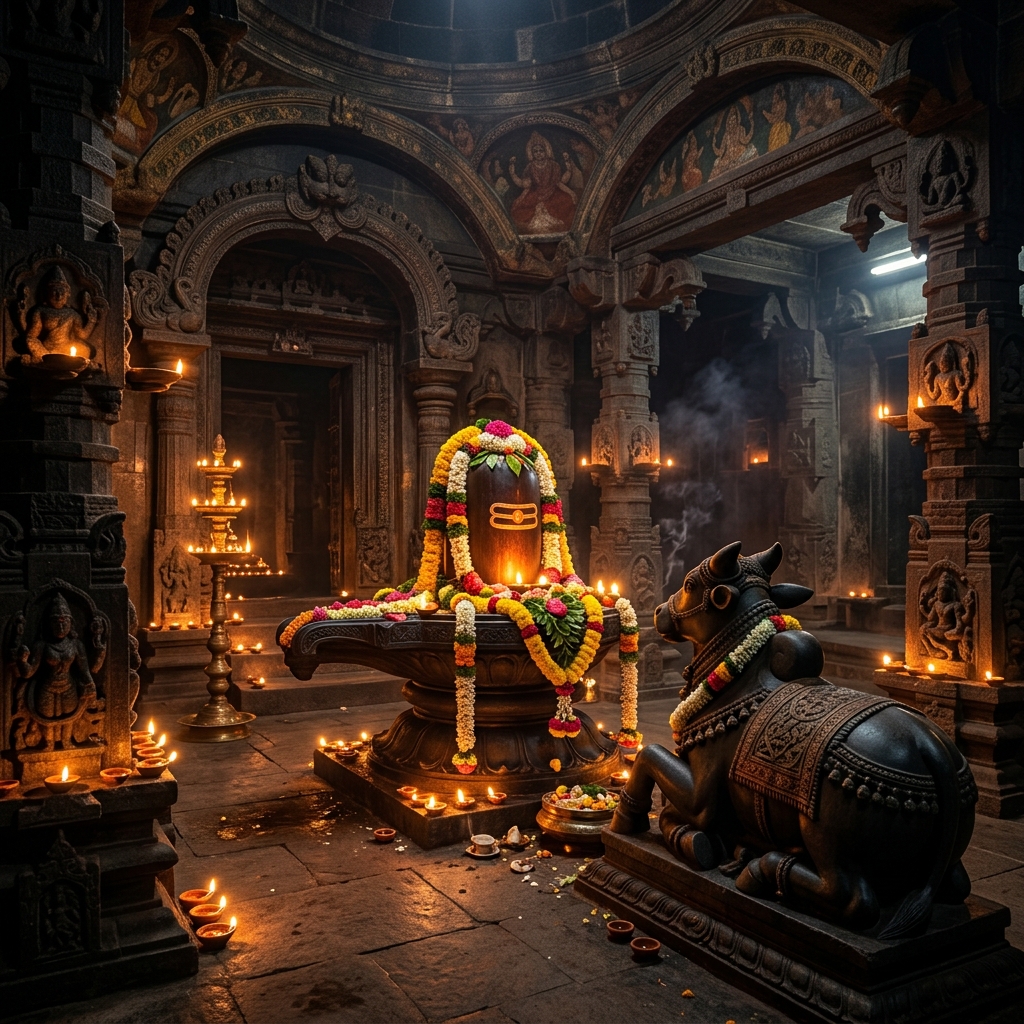
Pradosham Fasting: Seeking the Divine Grace of Lord Shiva
In the Hindu spiritual tradition, Pradosham is considered one of the most sacred and significant fasts dedicated to Lord Shiva. It is observed on the Trayodashi Tithi (the thirteenth lunar day) of both the waxing and waning phases of the moon. The word 'Pradosham' means the removal of sins or the clearing of obstacles. The highly auspicious one-and-a-half-hour period surrounding sunset (roughly 4:30 PM to 6:00 PM) is known as the Pradosham time. According to the Agamas, during this divine hour, Lord Shiva performs his joyous 'Ananda Tandava' (cosmic dance of bliss) standing between the horns of the sacred bull, Nandi. It is firmly believed that worshipping Lord Shiva with utmost devotion during this time invokes the blessings of all celestial beings.
The Divine Significance and Mythological Origin
The origin of the Pradosham fast is rooted in the legendary churning of the cosmic ocean (Samudra Manthan) by the Devas (gods) and Asuras (demons) in search of the nectar of immortality (Amrita). During this process, a deadly poison known as 'Halahala' emerged first. The intense heat and toxicity of this poison threatened to destroy the entire universe. Terrified, the Devas and Asuras sought refuge in Lord Shiva.
To protect the cosmos, Lord Shiva consumed the deadly poison. However, to prevent the poison from entering his stomach and destroying the worlds within him, Goddess Parvati gently pressed his neck. The poison remained in his throat, turning it blue, thus giving him the name 'Neelakantha'. Once Lord Shiva recovered from the effects of the poison, he was overwhelmed with joy and performed his Ananda Tandava. This magnificent event occurred on a Trayodashi evening, making it the highly revered Pradosham time. To this day, it is celebrated with immense devotion in Shiva temples worldwide.
Preparations and Methods of Worship
Observing the Pradosham fast requires profound devotion and purity. Devotees should wake up early before sunrise, take a purifying bath, apply sacred ash (Vibhuti) on their foreheads, and begin the day with thoughts of Lord Shiva. It is highly recommended to observe a strict fast throughout the day, abstaining from solid foods (consuming only water, milk, or fruits if necessary). The powerful 'Panchakshara Mantra' ("Om Namah Shivaya") should be chanted continuously within the mind.
Around 4:00 PM, one should bathe again, wear clean traditional attire, and visit a Shiva temple. Offering items like Bilva leaves, Thumbai flowers, sacred grass (Arugampul), red oleander flowers, and Abhishekam materials (milk, curd, honey, sandalwood paste, tender coconut water) brings immense spiritual merit. Witnessing the grand Abhishekam (holy bath) performed for Lord Shiva and Nandi during the evening is a sight that purifies the soul. Reading the Shiva Purana or chanting the Shiva Sahasranama during this time amplifies the divine blessings.
Worship of Nandi Devar: The Heart of Pradosham
The worship of Nandi Devar is an integral and indispensable part of Pradosham. Since Lord Shiva dances between Nandi's horns, viewing the Shivalinga through the space between Nandi's horns (Nandi Darshan) is considered highly auspicious. In Hindu Dharma, Nandi is revered as the embodiment of Dharma and the foremost disciple of Lord Shiva.
On Pradosham, Nandi is adorned with a garland of Arugampul, and special offerings like 'Kaapparisi' (a sweet mixture of raw rice, jaggery, and sesame seeds) are presented. There is a deep-rooted belief among devotees that if one gently whispers their prayers into Nandi's ears, he directly conveys them to Lord Shiva, ensuring swift fulfillment of desires. It is important to remember that a Pradosham worship is never complete without offering prayers to Nandi.
Dietary Guidelines During the Fast
Maintaining dietary discipline during the fast purifies both the body and the mind. Those observing the fast should ideally avoid solid food throughout the day. The elderly, children, and those with health conditions may consume milk and fruits. The fast should only be broken after the evening prayers are concluded and the Lord's 'Naivedyam' (Prasad) is consumed.
For dinner, one must strictly stick to simple, easily digestible vegetarian food. Avoiding onions, garlic, and highly spicy foods helps maintain the calmness of the mind. Sharing the Lord's Prasad with fellow devotees multiplies the spiritual merits exponentially.
The Divine Benefits of Pradosham Fasting
The spiritual and material benefits of observing the Pradosham fast with an unwavering heart are boundless. The Shiva Purana states that observing a single Pradosham fast is equivalent to observing all other fasts throughout the year. It has the power to cure chronic illnesses, eliminate poverty, bring prosperity, and remove obstacles delaying auspicious events like marriage.
Furthermore, 'Shani Pradosham' (a Pradosham falling on a Saturday) is considered extraordinarily powerful. Fasting on this day mitigates the malefic effects of Lord Shani (Saturn) and brings remarkable upliftment in life. 'Soma Pradosham' (Monday) grants deep mental peace, while 'Mangala Pradosham' (Tuesday) helps relieve one from severe debts. Ultimately, the Pradosham fast is a divine boat that helps souls cross the ocean of earthly existence, assuring liberation (Moksha) at the lotus feet of Lord Shiva.